

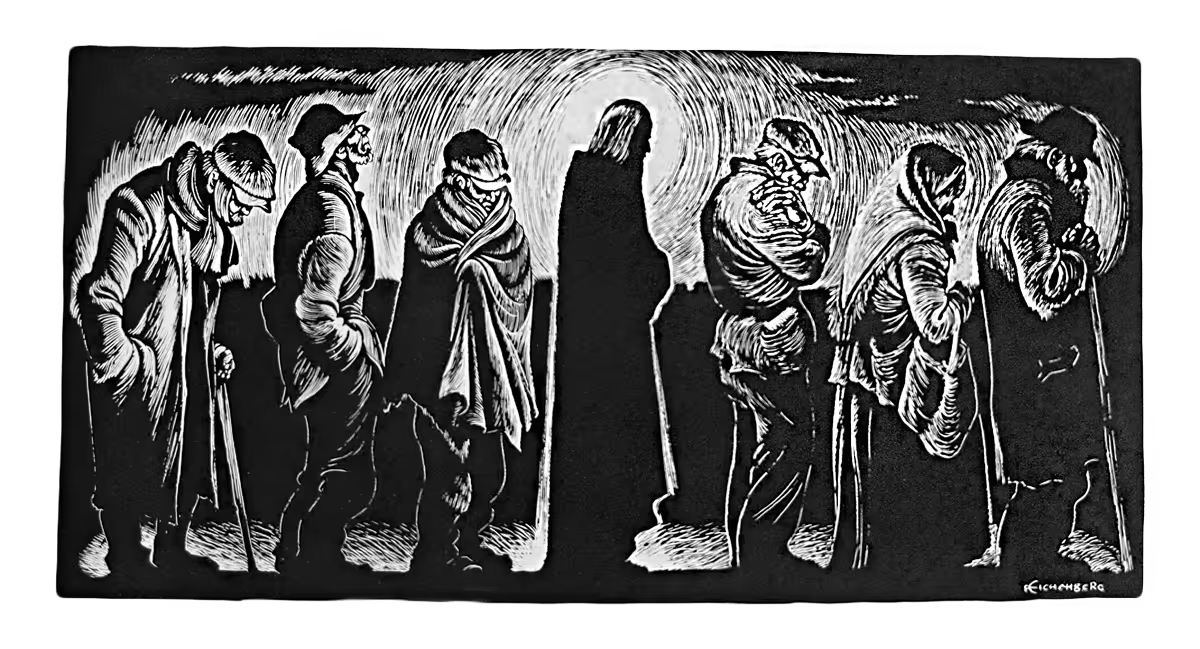
Throughout his work, Jürgen Moltmann often returned to the question first posed by Dietrich Bonhoeffer from Tegel Prison: "Who is Christ actually for us today?" Moltmann insisted that the answer is never purely intellectual—it is existential, political, and theological all at once.
In the spirit of Moltmann's legacy, the Yale Center for Faith & Culture at Yale Divinity School will host a three-day conference centered on Christ's significance for our world today. Featuring keynote addresses, limited-space seminars, and paper panels, we hope you will join us in meditating on the all-important question of Christ's significance to us today this October.
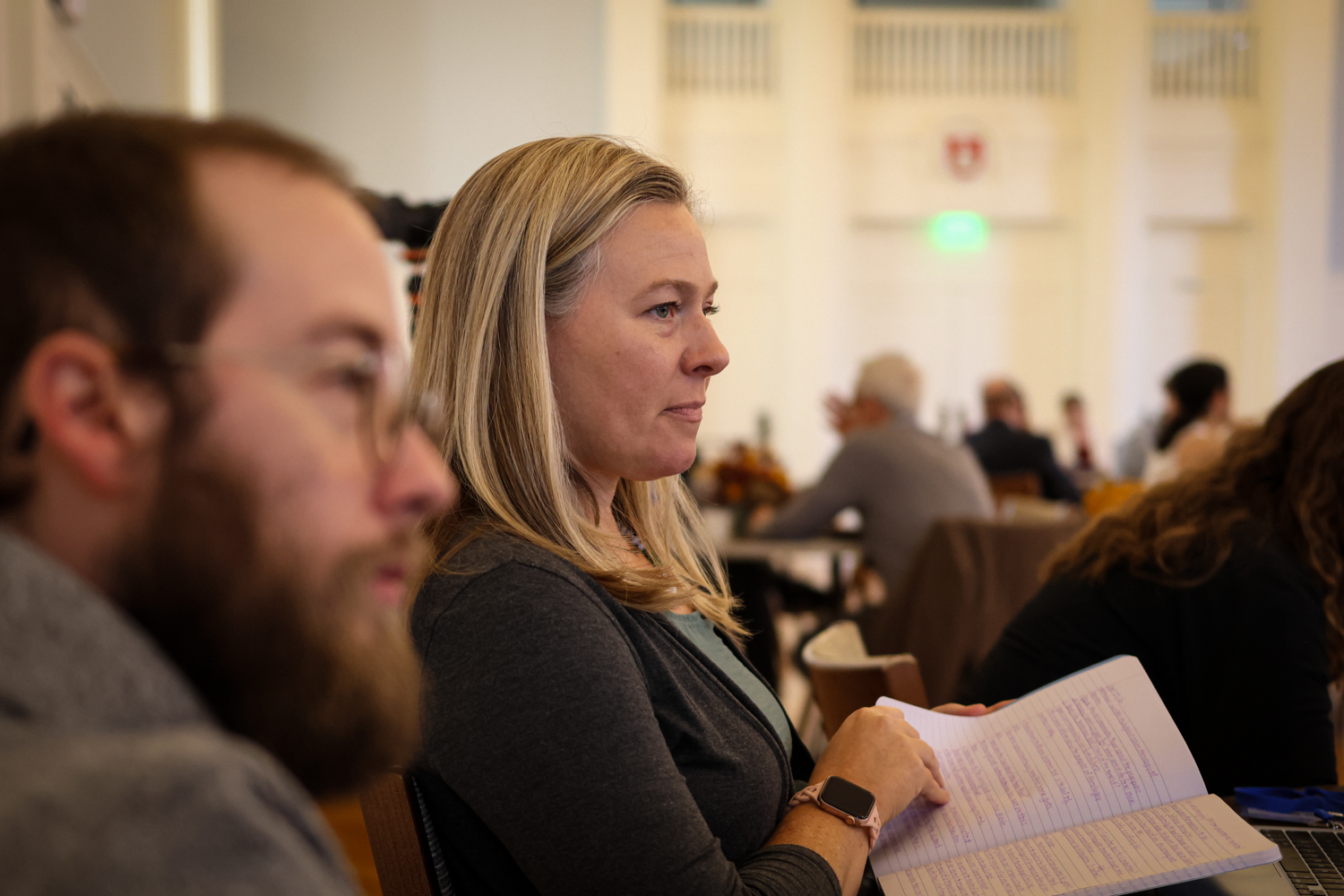
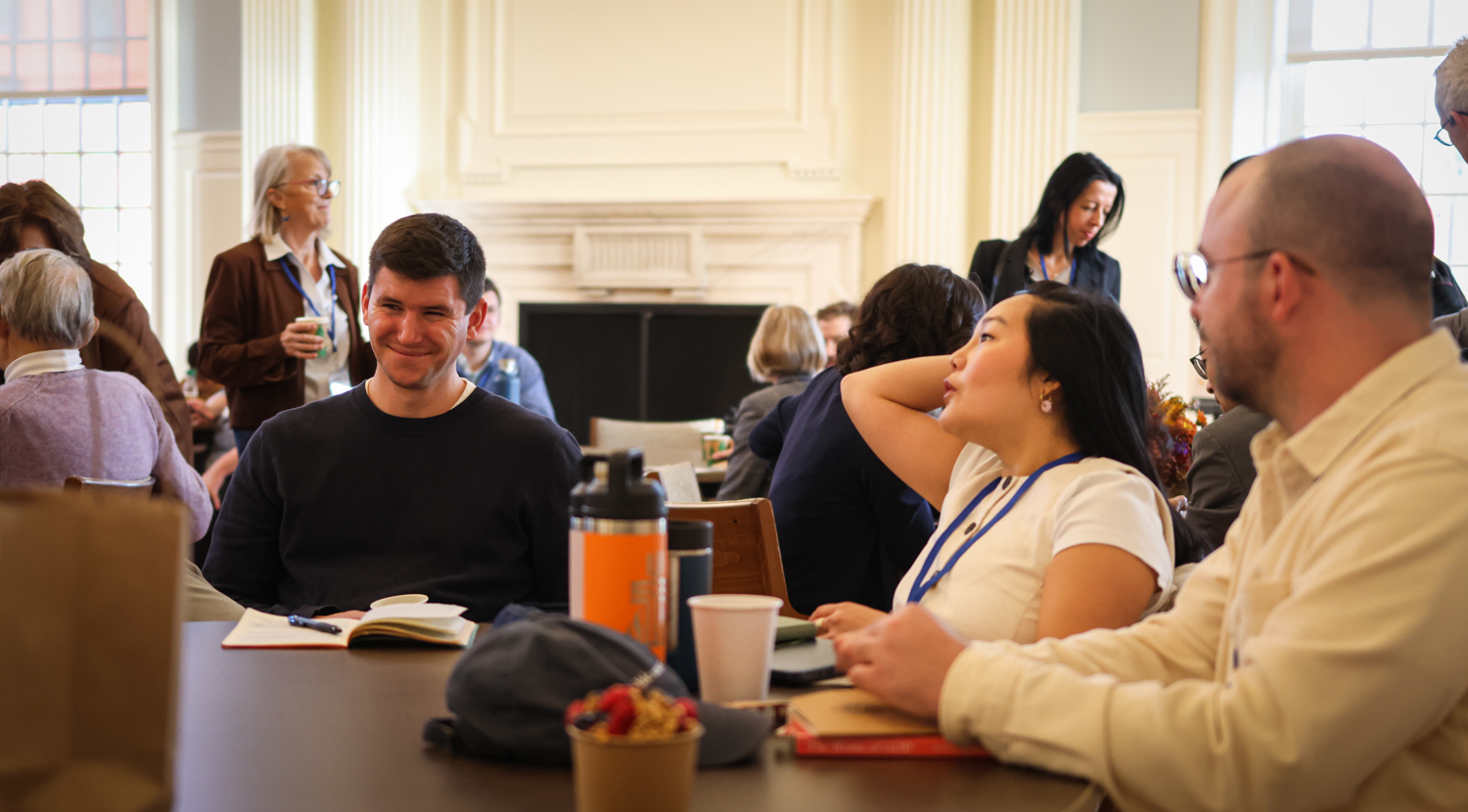
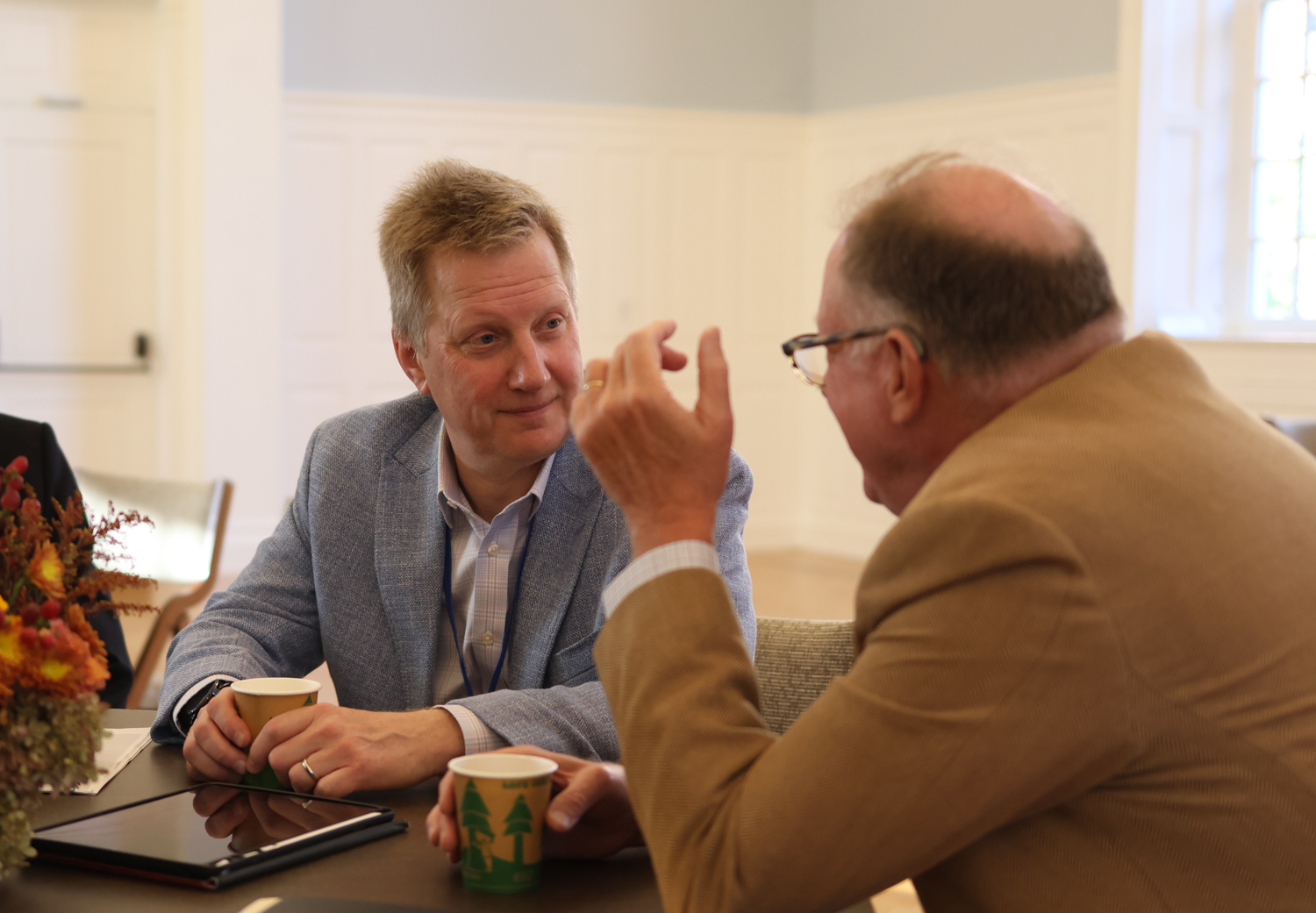
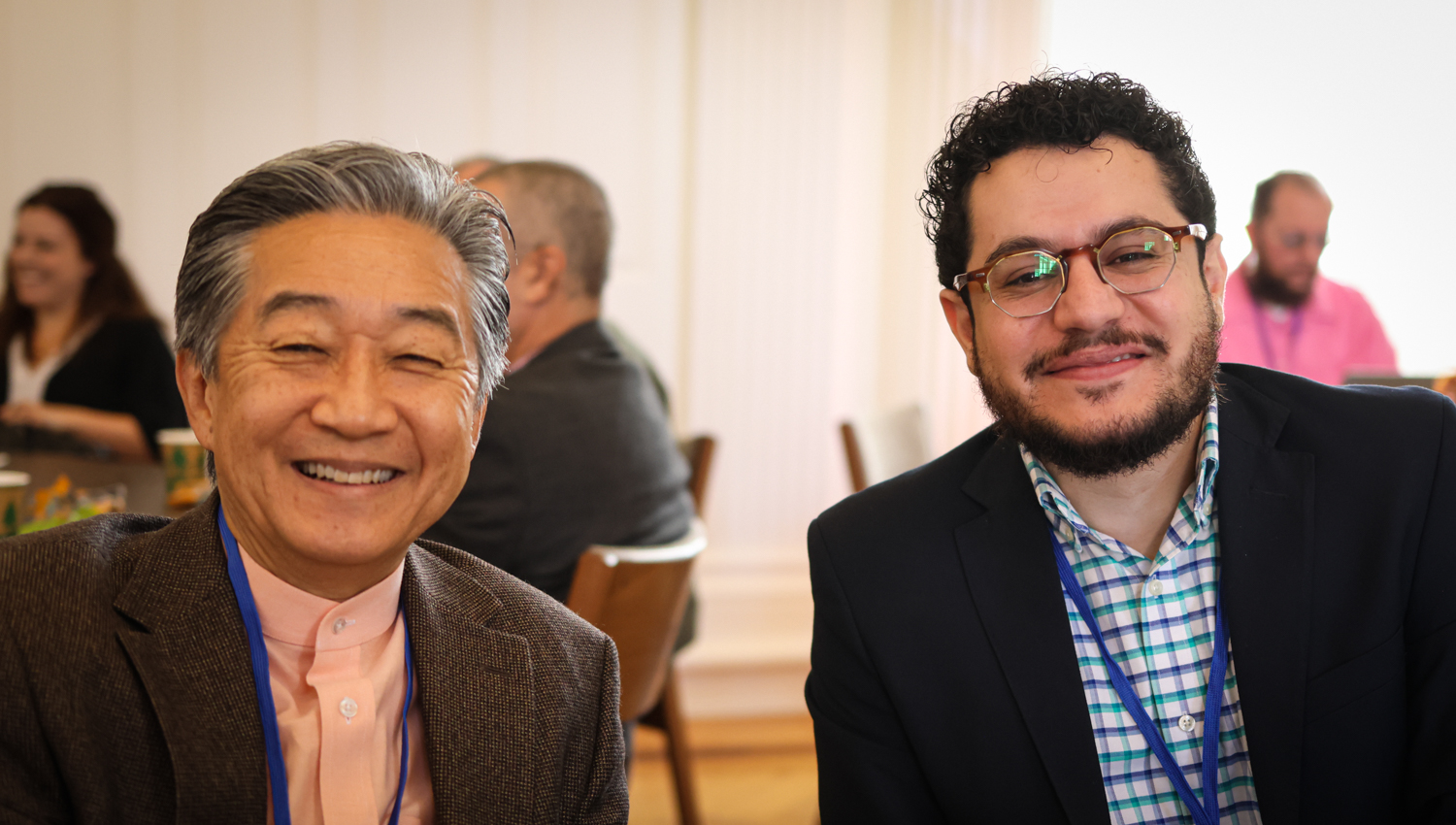
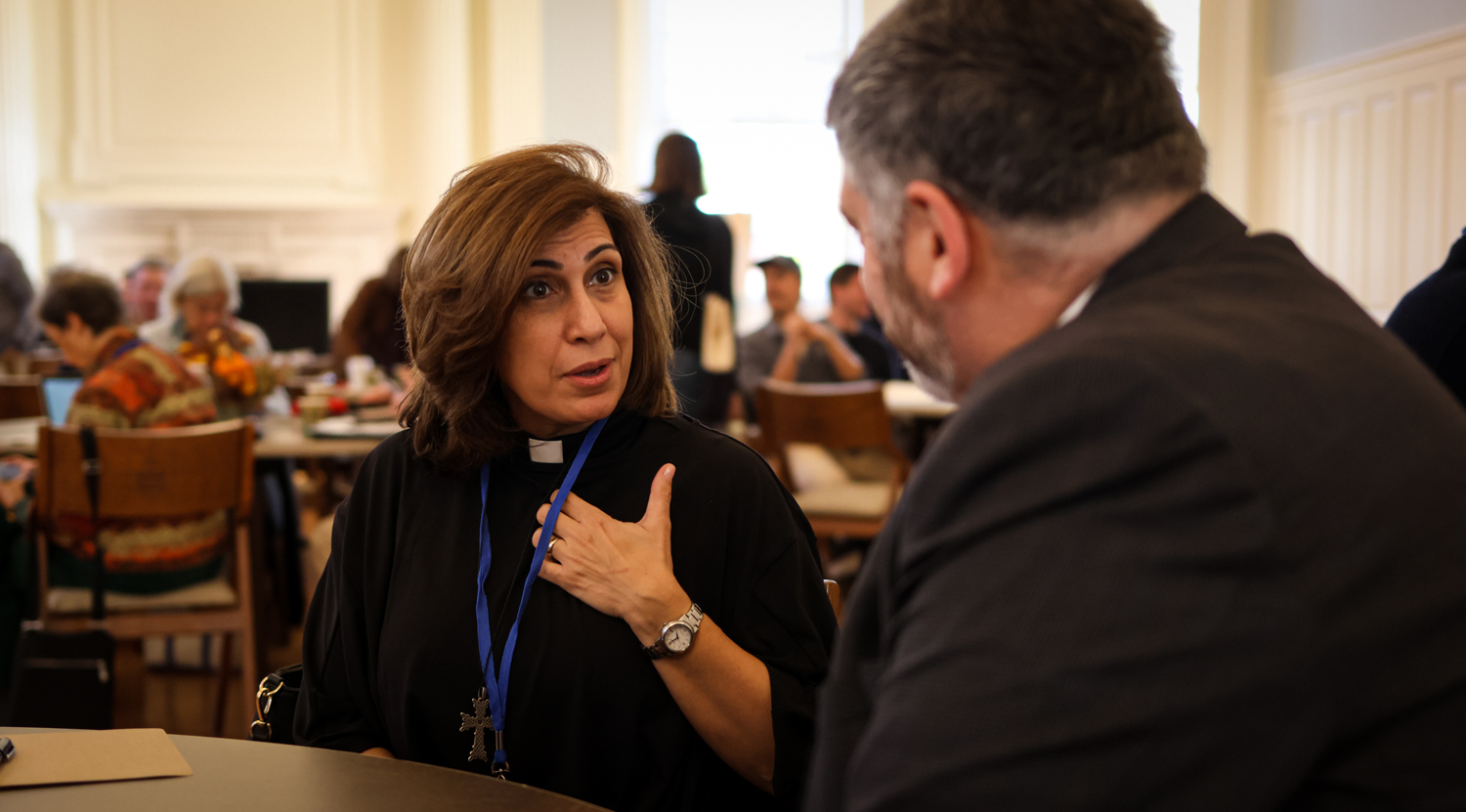
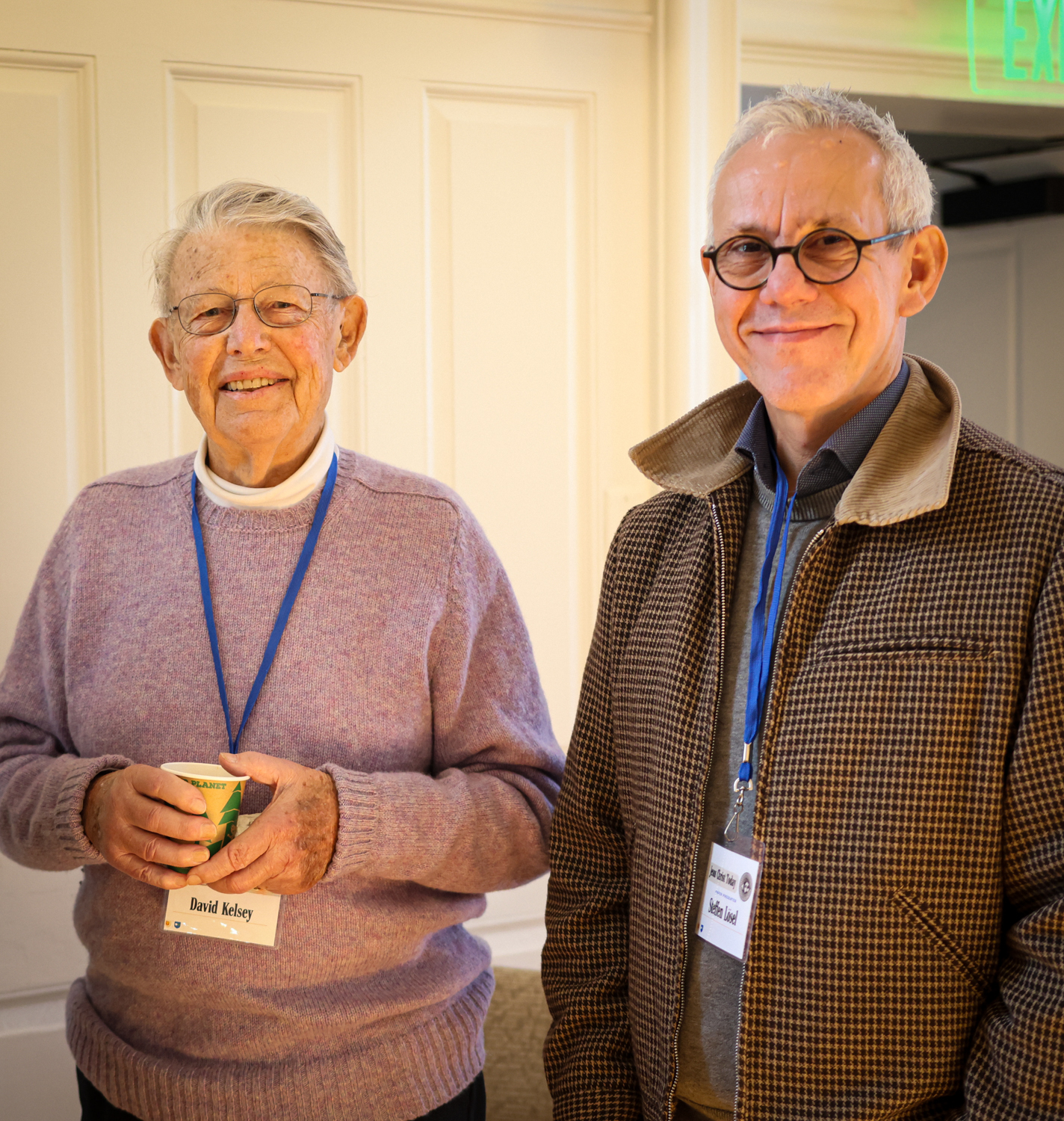
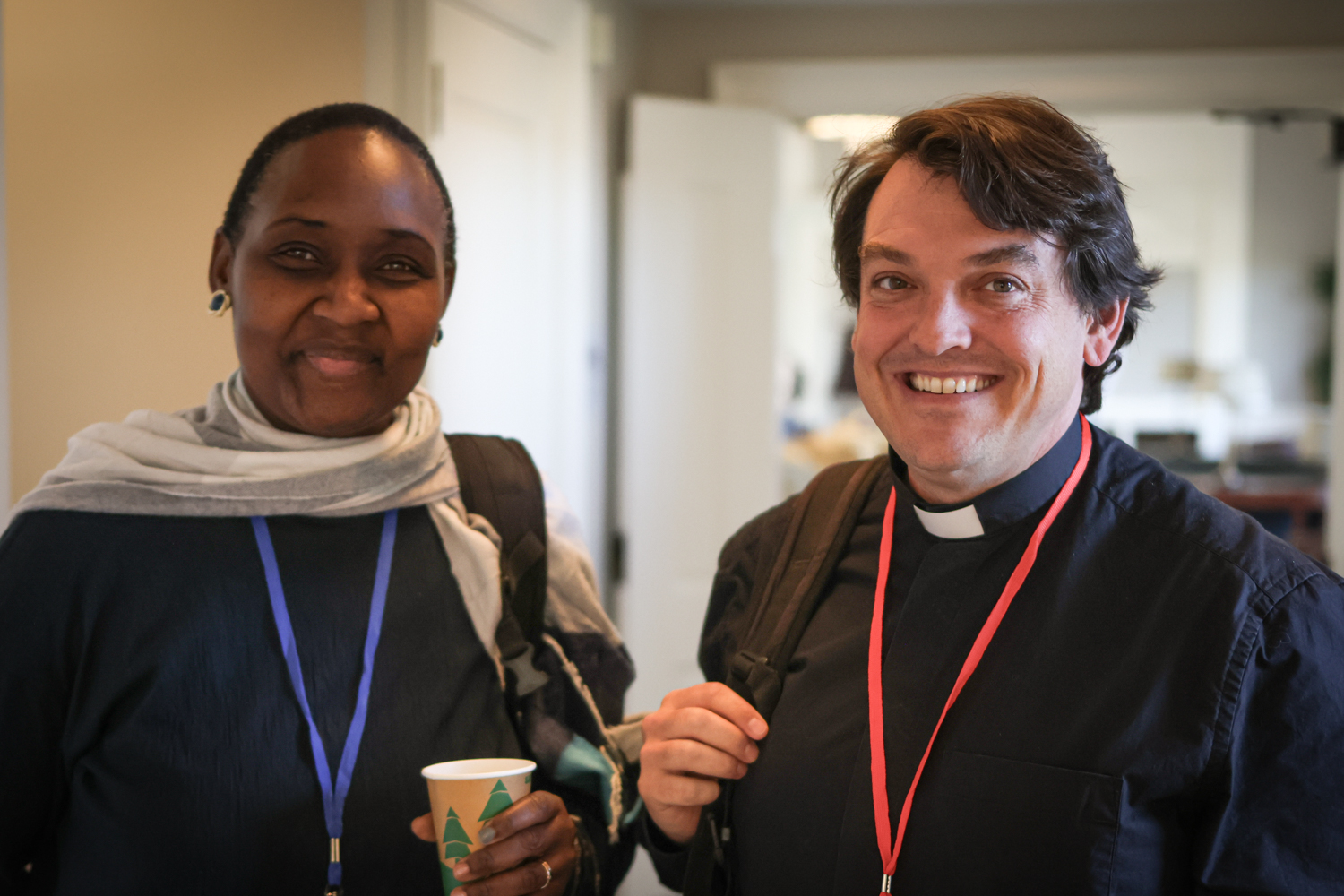
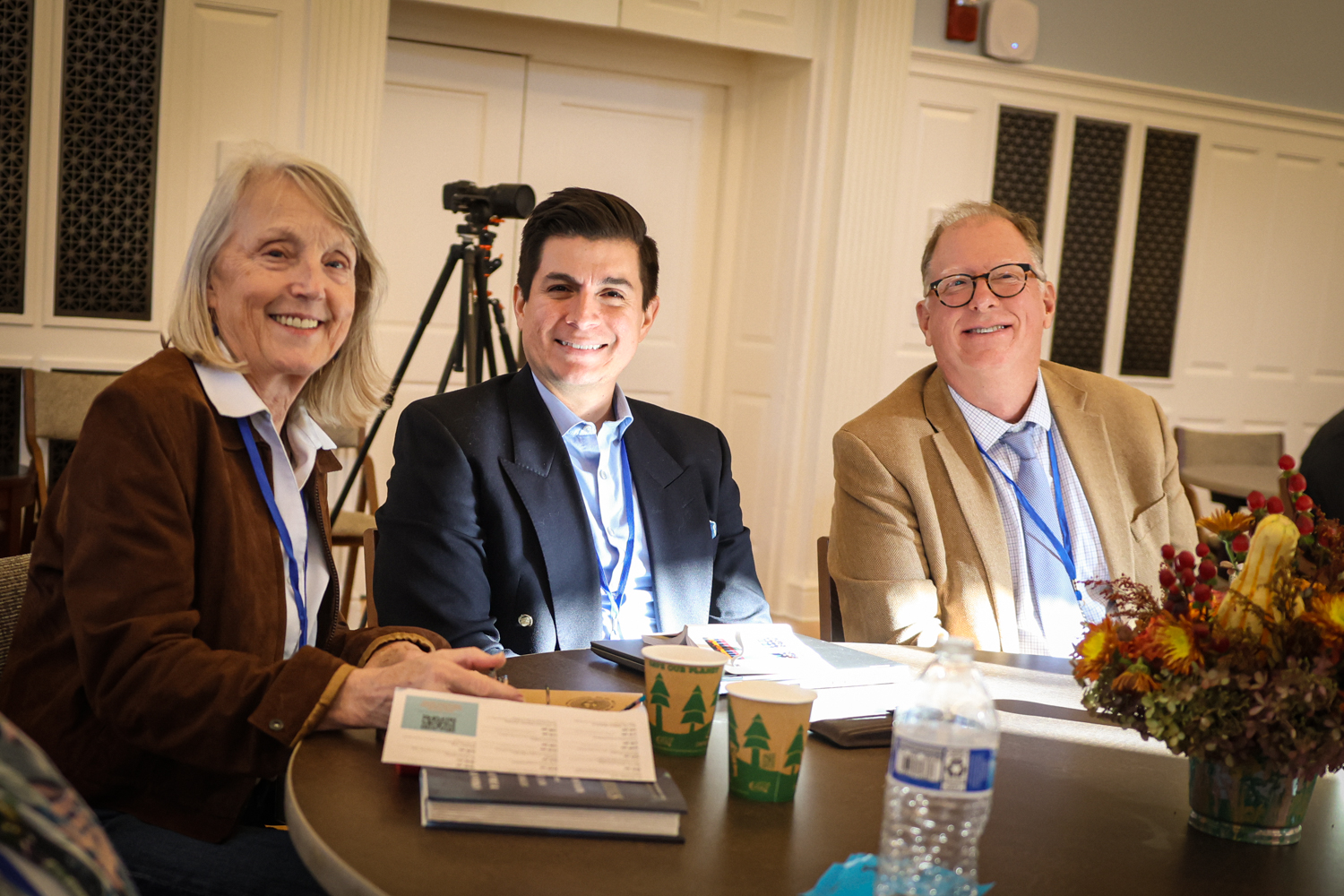
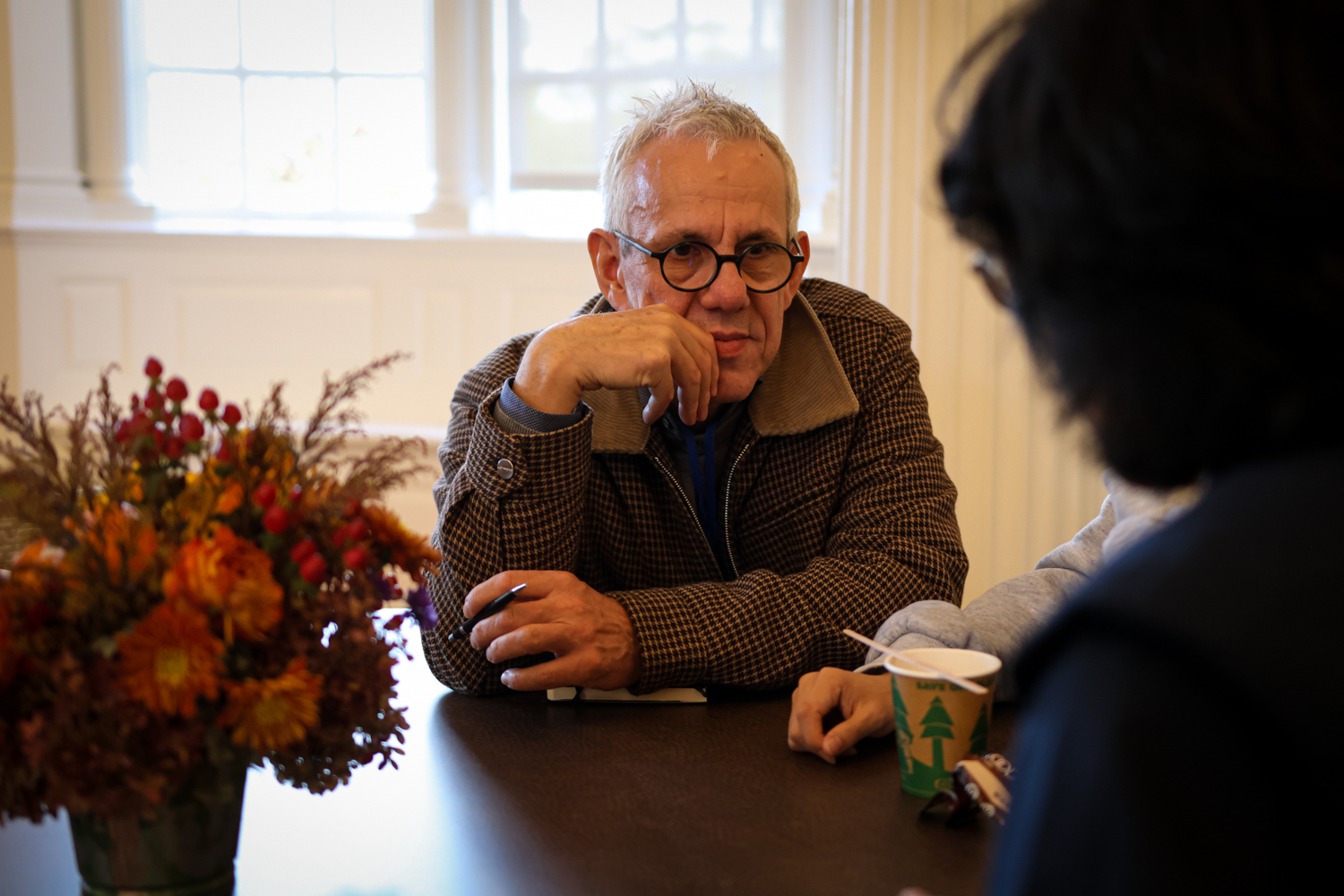
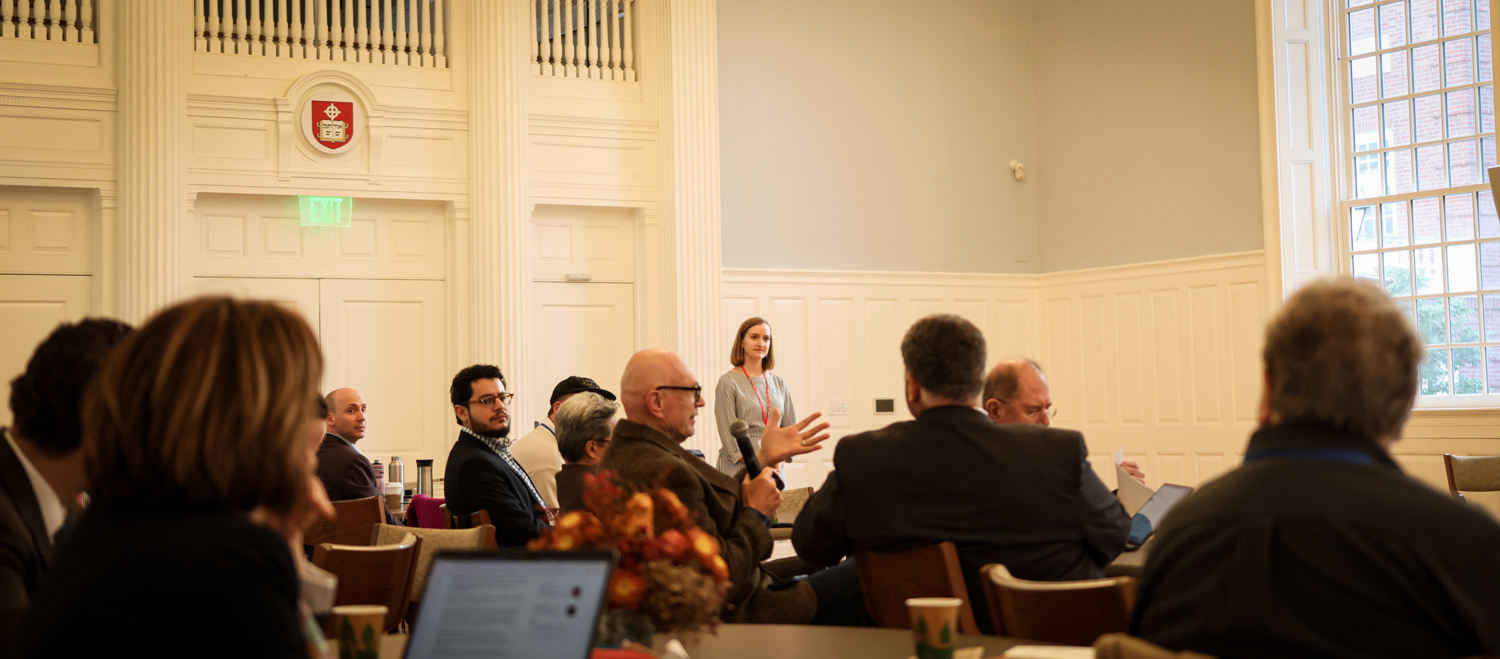
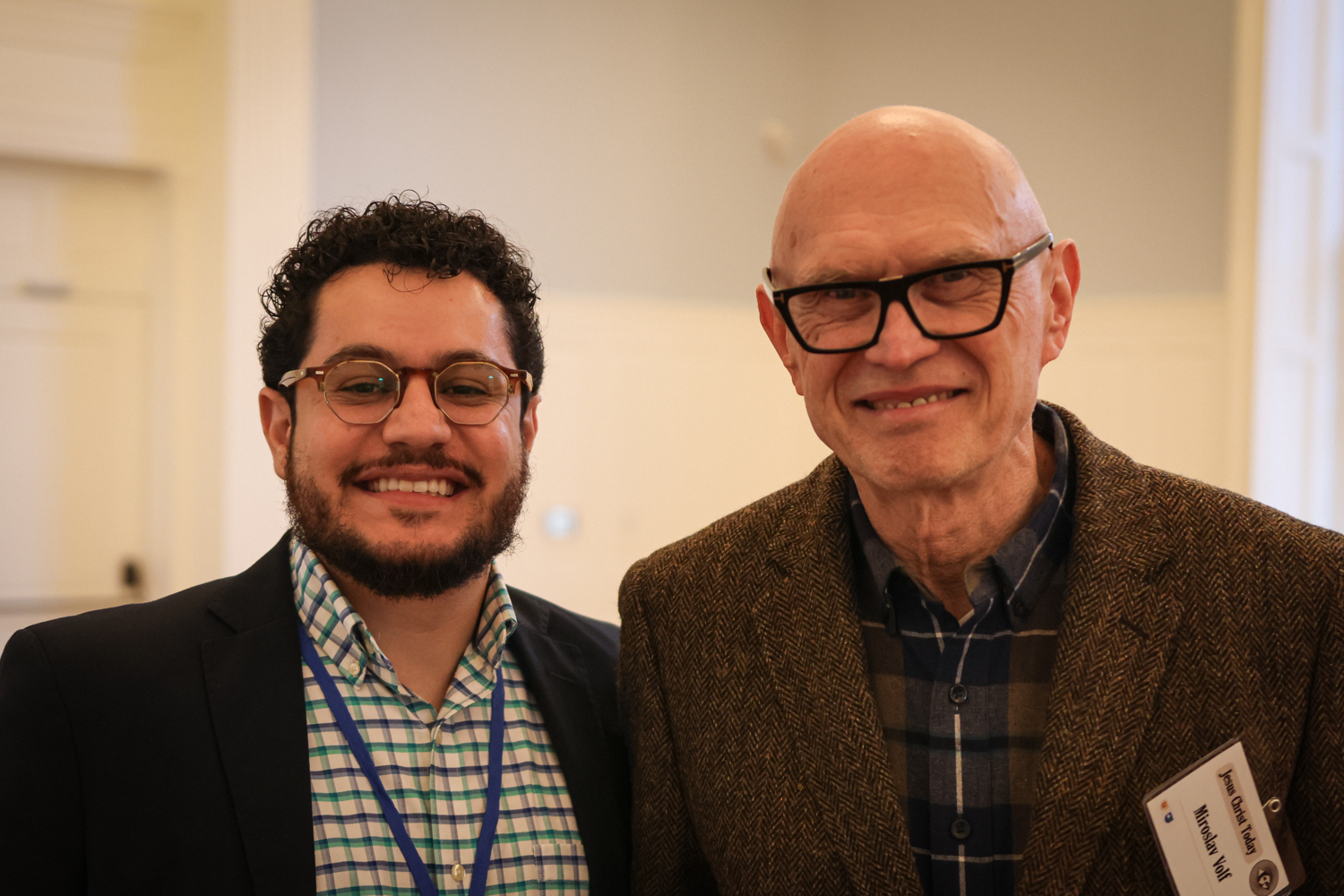
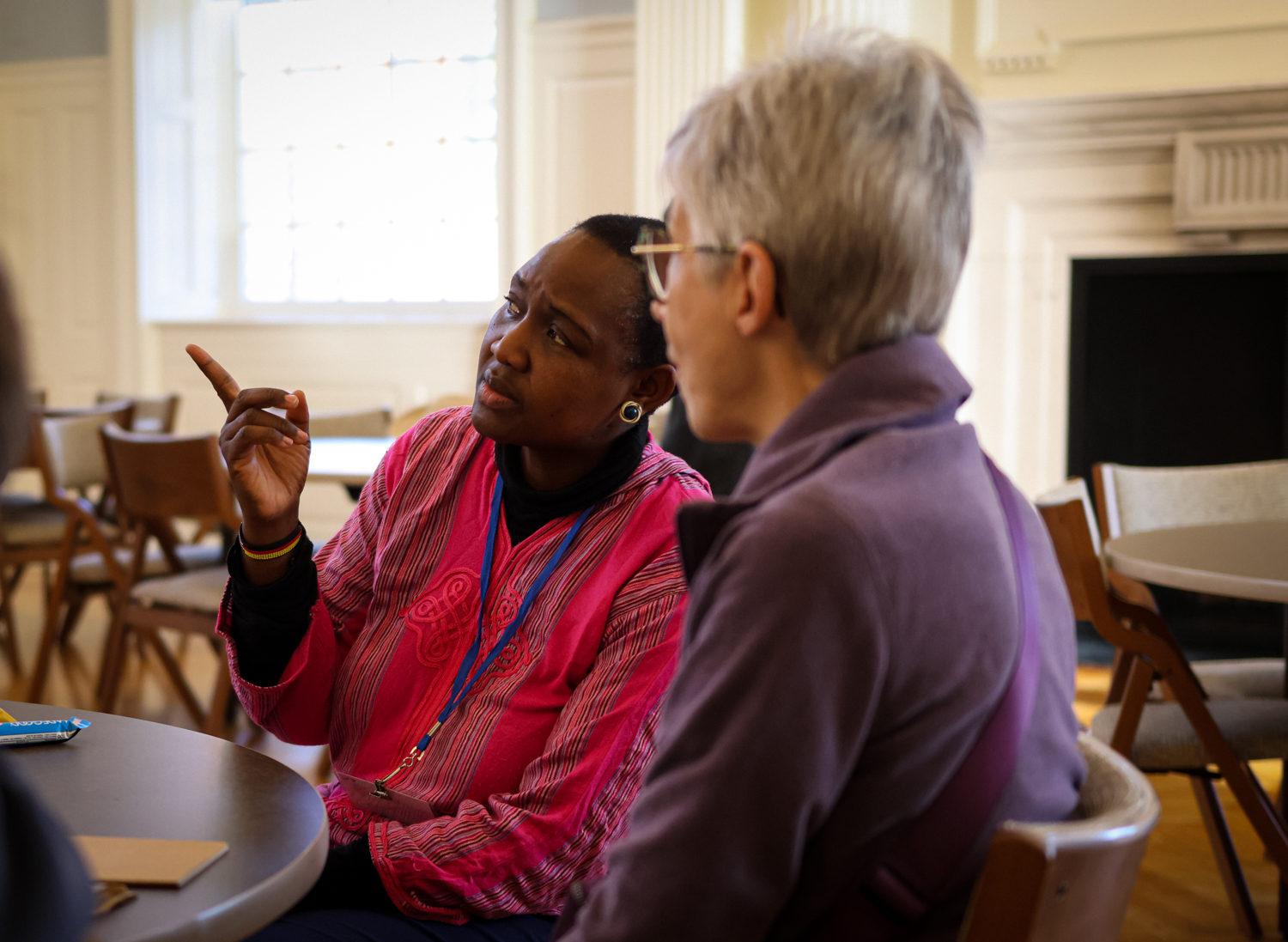
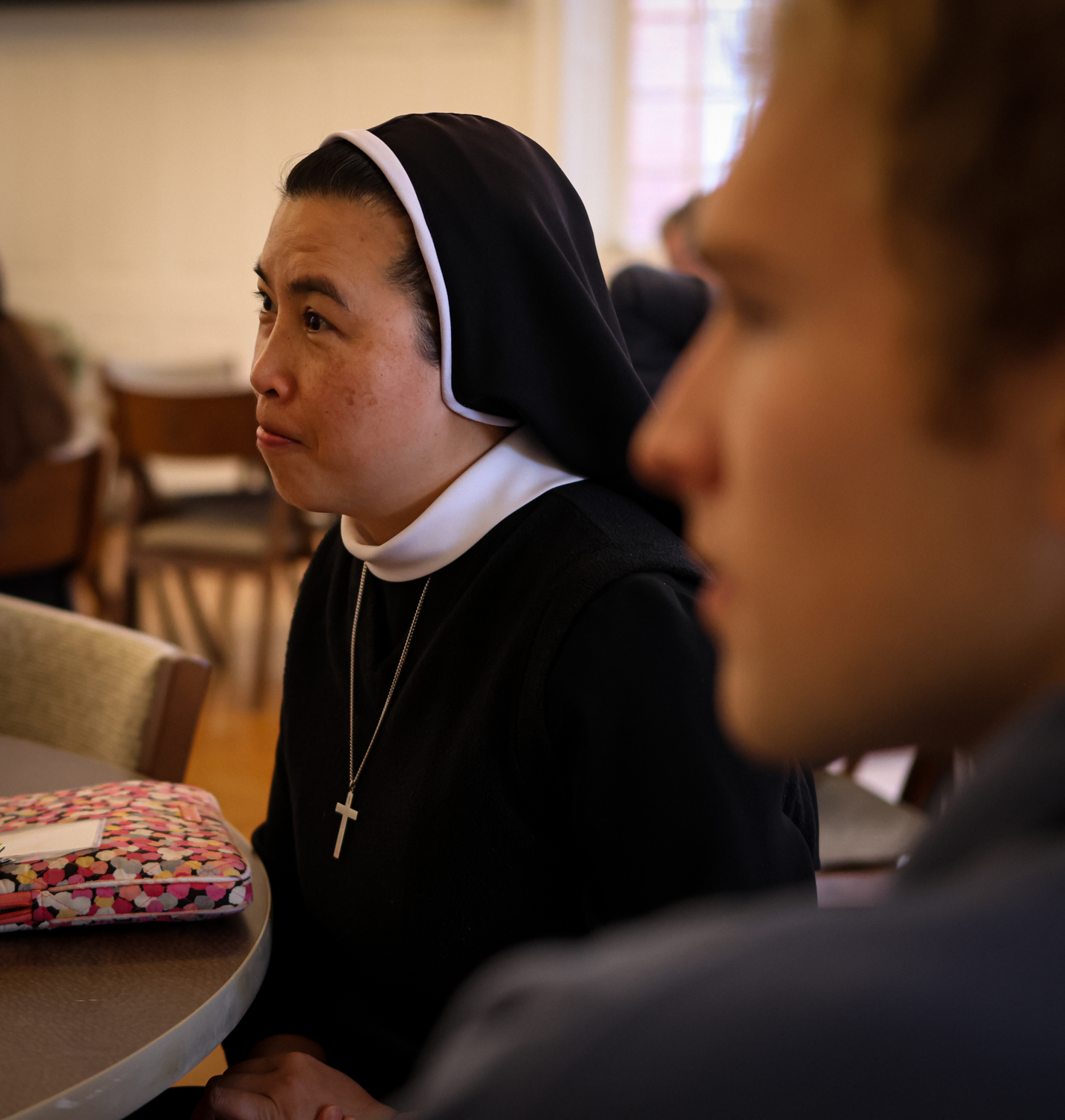
Take a look at some of the moments conference participants enjoyed.



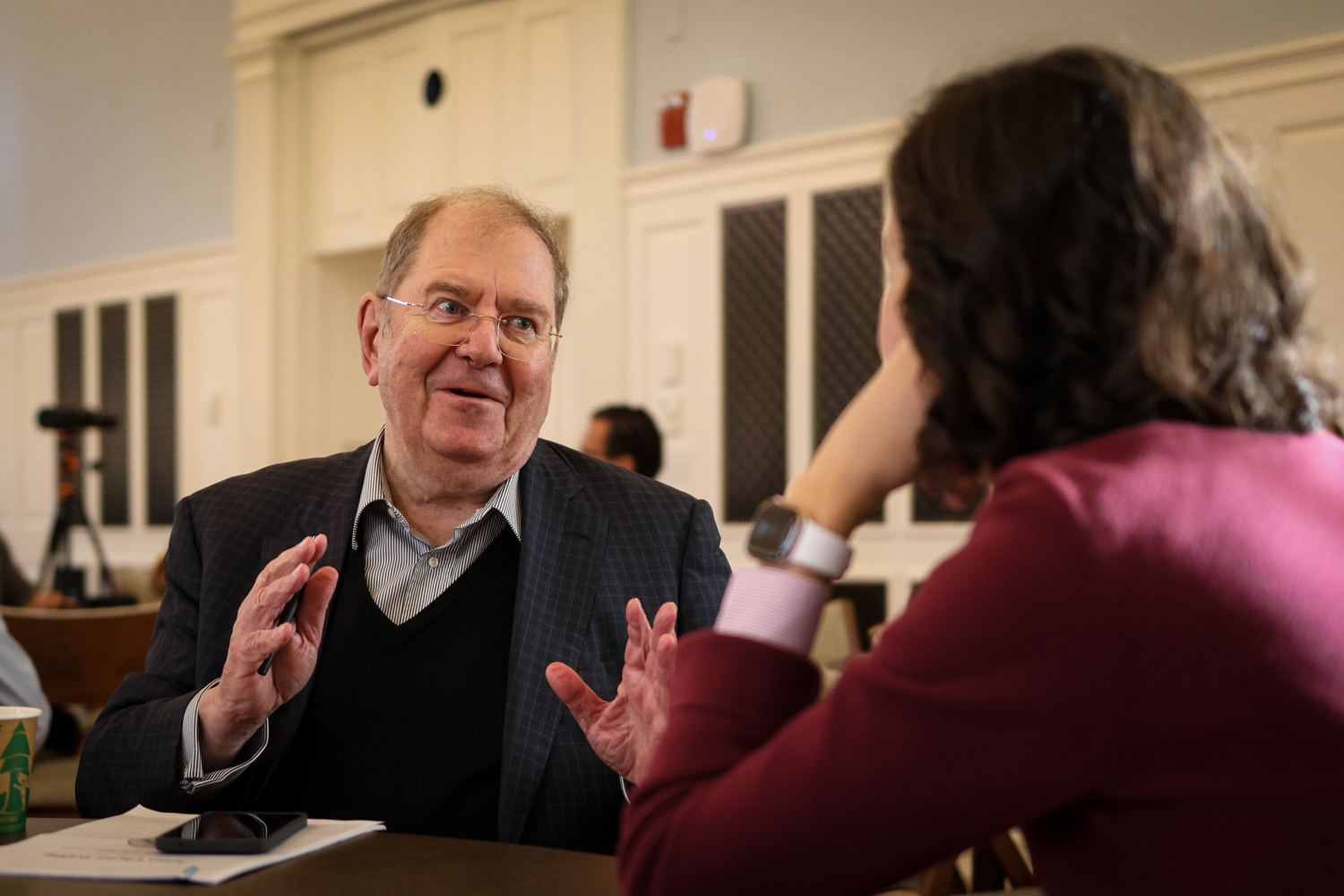
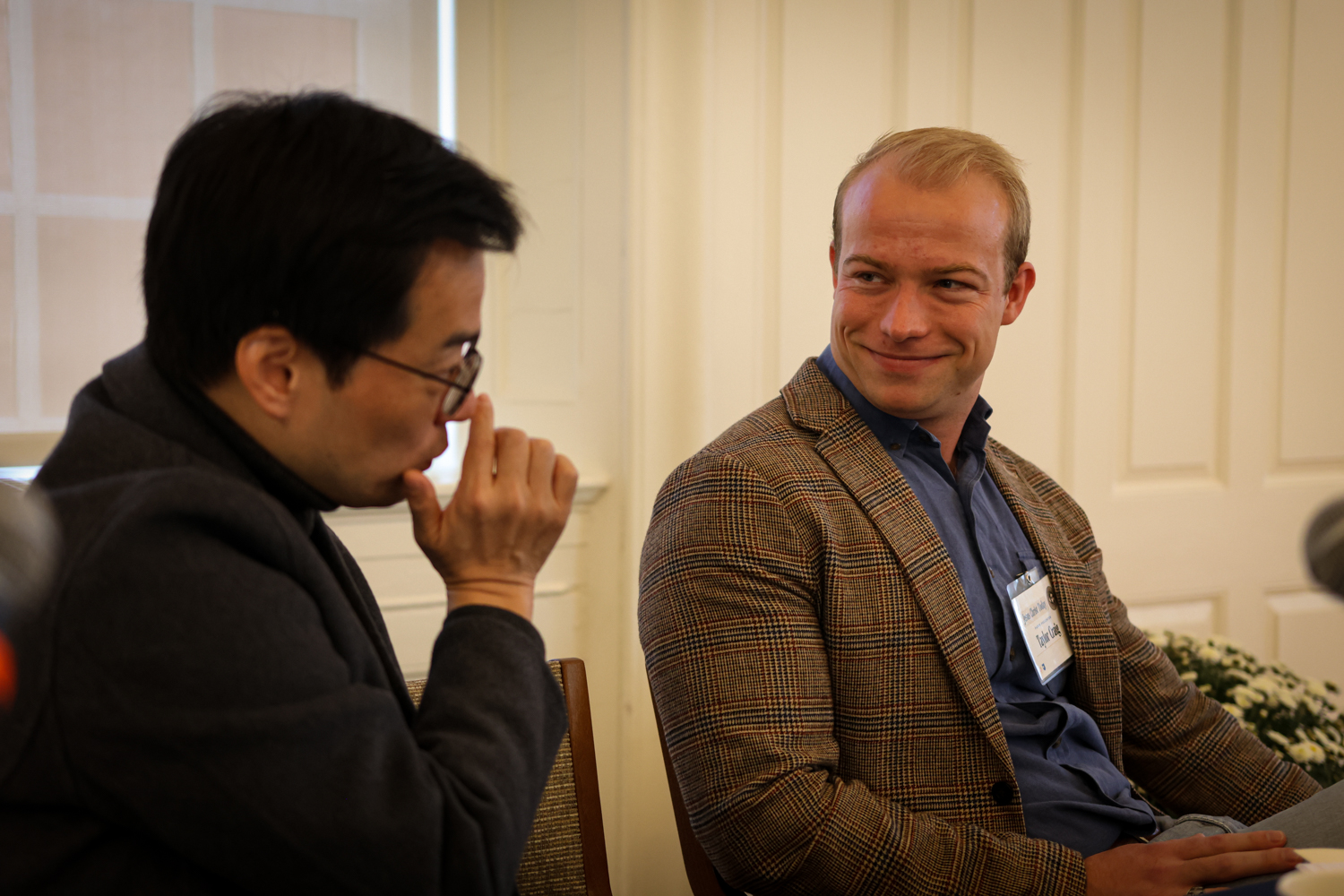
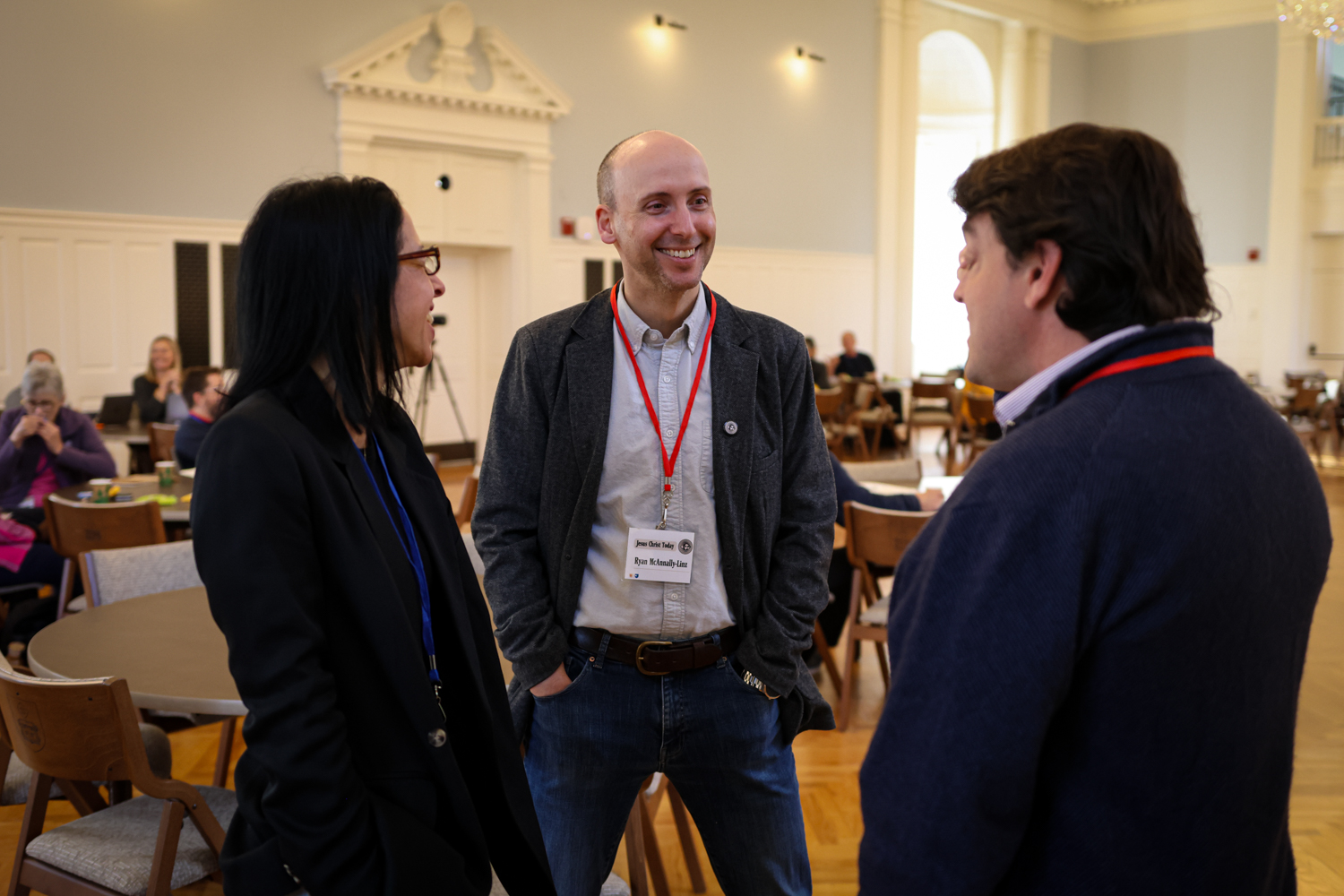
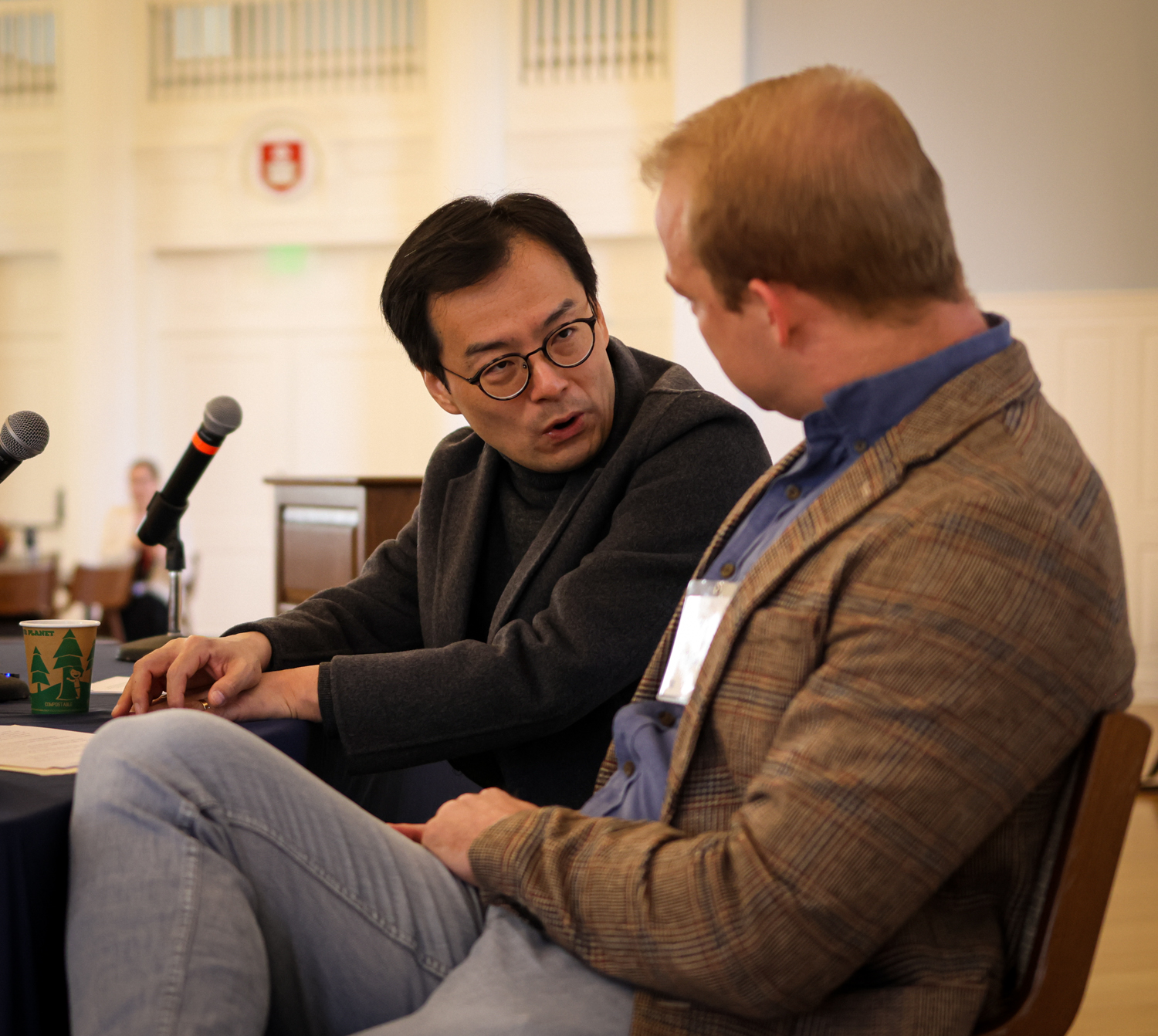
Six distinguished theologians, scholars, and practitioners gathering to address the question of Christ's significance for our world today.
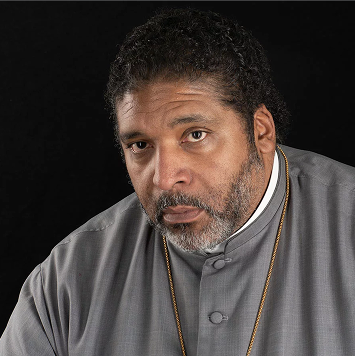

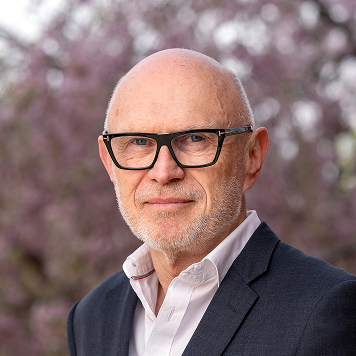

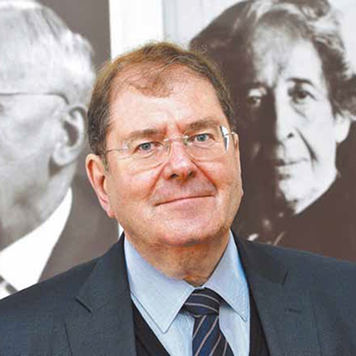
We're delighted to bring together the following speakers
Session 1: Welcome Lecture
As World War II was ending, in a letter from a Nazi prison written shortly before he was martyred, Dietrich Bonhoeffer asked what he considered to be the critical question of his time: “Who is Jesus Christ actually for us today?” Living almost a century later, I believe that we should wrestle with this question as if our lives and our world depended on it.
In this lecture I will try to answer three questions: (1) Who are we today for whom Christ came? (2) Who do we—ecclesial communities and wider Western culture—take Christ to be for us? (3) Who should we aspire for Christ to become forus today?
The God who is for us and has come to us must be received. Hence we inquire: Who do we, each of us unique and swimming in the great river of time, take Christ to be for us? How do we relate to his for-us-ness, receiveit? How does it change our lives?
Session 2
As people in the Middle East experience dehumanizing events and life conditions, they are also confronted by the dehumanizing discourse of powers that claim to stand in the tradition of Jesus Christ; a nationalist Jesus Christ who refuses to give bread to those labelled “dogs”.
A struggle is needed to rediscover, “under the rubble” and in the state of forsakenness, the One whose broken body gathers broken bodies at the table where humanity in body, community and history can be restored.
Session 4
If Jesus Christ is the same yesterday, today, and forever, then the question, “Who is Jesus today?” is really a question about us. Who are we in relationship to the Jesus who inspired hope among the victims and perpetrators—the fishermen and the tax collectors—of an authoritarian regime in the first century world.
Drawing on Moltmann’s insight that hope is the feast of those who resist, Bishop Barber will offer a moral analysis of our present context and argue that we must learn and practice the forms of hopeful resistance that are basic to who Jesus is.
Session 5
Jürgen Moltmann’s theology, which has had a powerful global impact, grew out of traumatic experiences of helplessness and despair. He repeatedly recalled the horrific firestorm over Hamburg during the war, and then the suffering as a prisoner of war.
These experiences gave rise to Moltmann’s determination to pursue a “theology in critical engagement with the present.” Calls for an “exodus,” “new beginnings,” “resistance,” “criticism,” etc. are defining features of his theology. The enormous resonance of his Theology of Hope, however, is based on the fact that Moltmann connects a natural religious hope as a “passion for the possible” and the power of resistance with a serious search for the criticism that emanates from God’s revelation in Jesus Christ and his Spirit. “Christian eschatology speaks of Jesus Christ and his future.” The cross of Christ and his resurrection become the center of his theology.
In his later writings, with his concentration on the doctrine of creation and ecological concerns, Moltmann offers a new direction of natural theology. Under the title “The Spirit of Life” he connects his thoughts about the divine Spirit with a strong romanticism of nature. In keeping with an ecologically motivated zeitgeist, he recommends to discover the divine Spirit “in nature, in plants, in animals, and in the earth’s ecosystems.” In defense of Moltmann’s initial passion for a christologically and biblically grounded theology, I argue: A nature romanticism neither serves a serious ecological orientation nor a sound understanding of the divine Spirit.
Session 8
Jürgen Moltmann was interested both in the contemporary significance of Jesus Christ and in “newness” as a theological category. Origen of Alexandria, whom Moltmann deemed an inspired maverick of the early Church, creatively relates these two impulses in Moltmann’s thought. His ancient vision of Jesus as both new gift and giver of newness, developed across the genres and periods of his corpus—from commentaries to homilies, from On First Principles to Contra Celsum—offers itself ripe for retrieval as we consider anew who Jesus Christ is for us, today.
Session 10
How have answers to the question "Who is Jesus Christ for us today?” changed since Bonhoeffer and Moltmann asked it? When Bonhoeffer asked it, the goodness and necessity of religion are no longer taken for granted. When Moltmann asked it, many people actively opposed religion.
Today, in a more thoroughly secular setting, religion plays so small a role that people feel no need to take any stance toward it, positive or negative. Importantly, many of these same people nonetheless sense that something is missing: Their religionlessness notwithstanding, they still catch glimpses of transcendence and sacredness in their lives, and many want to become better attuned to these things.
The answer proposed here is that Jesus is the one who frees us from the powers of reductiveness and desecration; the one through whom all things were made sacred; and the one who meets us in our neighbors, and whom they should meet in us. Jesus thus shows us how we might become better attuned to sacredness.
In between plenary talks, the following seminar options will be offered as breakout sessions.
Today’s world is marked by deep and widespread conflicts, including wars, political polarization, democratic crises, and the resurgence of authoritarian forms of power. These realities raise urgent questions for public theology and for Christian witness in the public sphere. In memory of Jürgen Moltmann and in dialogue with his work, this seminar reflects on the significance of Jesus Christ amid contemporary conflicts. Moltmann’s theology consistently related Christology to hope and political responsibility. The crucified and risen Christ reveals God’s solidarity with suffering and opens a horizon of hope for justice and reconciliation in history. The seminar will explore how the question “Who is Jesus Christ for us today?” can be addressed in contexts of political crisis and social conflict. Participants will consider how Christ’s life, preaching, and testimony challenge forms of domination while opening possibilities for reconciliation, justice, and hope.
The seminar will examine excerpts from Mainland Chinese, Hong Kong, and Taiwanese theologians and humanities scholars who have written about Jürgen Moltmann’s theology. We will discuss these perspectives alongside Moltmann’s own responses, his writings on the public relevance of theology today—especially Gott im Projekt der modernen Welt—and his reflections on a Chinese tradition, Laozi’s Daode Jing.What do these continuing conversations teach us about the relevance of theological texts in secular, secularizing, and post-secular societies, including those shaped by Chinese cultures? What can we learn from the cross-cultural theological dialogue that Moltmann promoted and modeled? Bringing these two questions together highlights the timeliness of reflecting on how theology can engage plural, changing public spheres—both global and specifically Chinese—by showing how cross-cultural exchange renews theological relevance and public responsibility today.
In the preface to The Way of Jesus Christ, Moltmann says: “Modern Christology directs its attention towards Christ’s bodily nature and its significance for earthly nature as a whole, because embodiment is the existential point of intersection between history and nature in human beings.” By considering Moltmann’s Christology against the backdrop of his thoughts about creation and the world as God’s home, this seminar will consider what answer we might give to Jesus’s question, “Who do you say I am?”—in relation not only to human beings but to creation as a whole.
Jürgen Moltmann’s pioneering work in ecological theology was a crucial aspect of his overall theological engagement with contemporary issues, even when ecological issues were only just beginning to be addressed by theologians in the 1980s. His cosmic Christology remains particularly apt and relevant for today’s world that is now facing escalating and intertwined global ecological and social challenges. His explicit interpretation of Christology as the cosmic Christ is particularly important, not just because of its engagement with a theology of creation and with evolutionary ideas, but also because he points to the renewal of a community of creation in Christ in a way that brings hope rather than despair even amidst suffering and death. This seminar will (1) explore key aspects of Moltmann’s argument on the cosmic Christ, particularly in his seminal work The Way of Jesus Christ (1990) , (2) interrogate key resources that he uses in order to develop his argument, particularly that of Jesuit thinkers Pierre Teilhard de Chardin and Karl Rahner, and (3) offer a critical appreciation of how the different facets of his approach have since been developed by other scholars.
Three days of keynotes, seminars, and conversation at Yale Divinity School—a conference marking Moltmann's centenary and asking afresh: Who Christ is for us today?
A final schedule will be updated here in the weeks leading up to the event.

Jürgen Moltmann (1926–2024) was one of the most influential theologians of the twentieth century. This conference is held in celebration of his centenary.
Everything you need to know before joining us in New Haven on October 8-10, 2026.
The conference takes place at Yale Divinity School, 409 Prospect Street, New Haven, Connecticut. Easily accessible by train via Metro-North to New Haven Union Station.
Three days of plenary keynote addresses, limited-enrollment seminars, and open paper panel sessions. The full schedule will be published closer to the event.
Accommodations are not included. Hotels near Yale Divinity School that may have availability include:
Courtyard by Marriott - 30 Whalley Ave, New Haven
Cambria Hotel New Haven - 20 Dwight St, New Haven
Residence Inn by Marriott - 2312 Whitney Ave, Hamden
Hampton Inn and Suites - 700 Universal Drive North, North Haven
No, the conference program is now closed. But we hope this event fosters real-time dialogue, with numerous opportunities to contribute and discuss with presenters and participants.
Full refunds are available up to 30 days before the conference. 50% refunds up to 14 days prior. No refunds within 14 days, though registrations may be transferred.
Contact the Yale Center for Faith & Culture directly through faith@yale.edu.
Encouraging Distinguished Scholars for Christ®
